
The Council's Role in Shetland Car Club
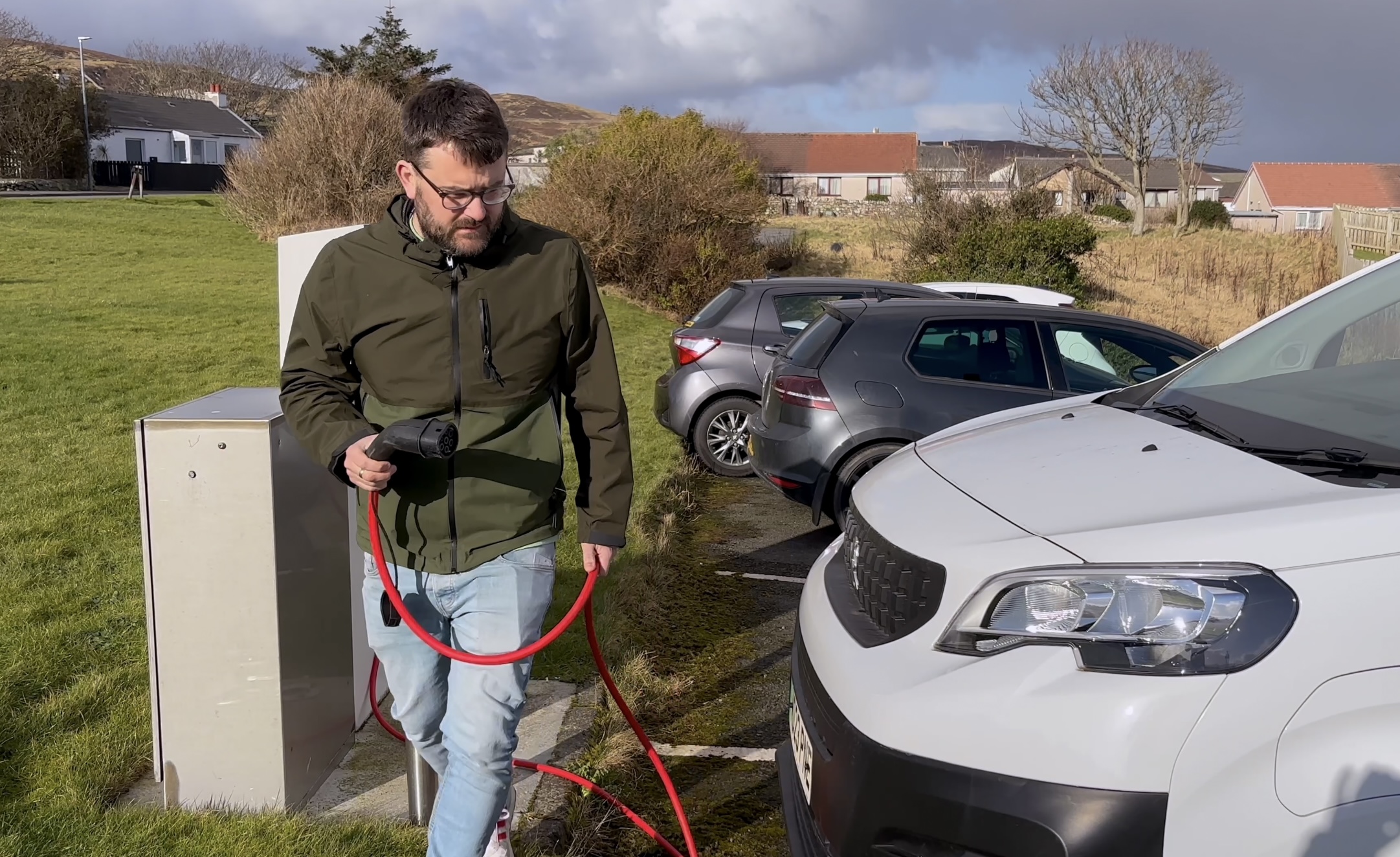
Shetland Car Club is part of Shetland Islands Council’s broader strategy to enhance fleet management efficiency, reduce carbon emissions, and support active travel. It aligns with the Council's Climate Change Strategy and contributes to achieving strategic goals outlined in the Corporate Plan.
Background and objectives
During 2022/2023, the Council conducted a comprehensive research project, involving various departments, to explore how a car club could address operational challenges and improve service delivery. The project aimed to leverage the car club model to:
Optimise fleet use:
Implement a centralised booking system to ensure efficient use of the Council's vehicle fleet.
Decarbonisation efforts:
Accelerate fleet decarbonisation by promoting shared vehicle use and reducing the number of vehicles on the road.
Support active travel:
Encourage members to walk and cycle for shorter journeys. Studies have shown that car club members are more likely to cycle regularly compared to non-members.
Partnership with Enterprise Car Club
After evaluating national car club operators, Shetland Islands Council has partnered with Enterprise Car Club due to its comprehensive service. The partnership allows the Council to offer a car-sharing programme that benefits SIC operations, the community and the environment.
Future developments
The success of the car club may lead to future expansions, potentially leveraging external funding to increase the number of vehicles available. This would further enhance the service's reach and impact across Shetland.
Strategic goals and benefits
The car club supports several goals of the Council, including reducing the number of staff using their personal vehicles for work. By providing a shared fleet, the Council aims to reduce the overall number of vehicles on the road, contributing to lower carbon emissions and aligning with national climate change objectives.
The car club also complements existing transport options by providing flexibility for occasional car use, rather than competing with public transport. It is particularly suitable for short-term hires, making it an ideal solution for families, community groups, and individuals who only periodically need access to a vehicle. By providing access to vehicles for those who cannot afford car ownership, it will also contribute to reducing mobility-based inequalities.